

Addressing the Loneliness
Epidemic: How MCHW
Can Help
In recent years, loneliness has emerged as a significant public health concern. In May 2023, U.S. Surgeon General Dr. Vivek Murthy released an advisory highlighting the profound impact of social disconnection on individual and societal well-being. The advisory emphasizes that social connection is essential for mental and physical health, and its absence can lead to increased risks of heart disease, stroke, and dementia in addition to mental health issues.
What’s the Root Cause of Loneliness?
Loneliness often stems from a combination of psychological, social, and environmental factors. At its core, it can arise from a lack of meaningful connections, whether due to social isolation, major life transitions, or emotional disconnection even in the presence of others.
Childhood experiences, such as neglect or trauma, can contribute to difficulties in forming secure relationships later in life. Additionally, societal shifts—like increased digital communication replacing in-person interactions, urbanization, and cultural emphasis on independence—can leave individuals feeling disconnected.
In addition, loneliness can sometimes be related to difficulties navigating our sense of community and identity factors such as race, ethnicity, gender and sexuality, neurodivergence, and other personal experiences.

How Does Loneliness Affect Mental Health Over Time?
Over time, loneliness can have profound effects on mental health, often leading to or exacerbating conditions like depression, anxiety, and low self-esteem. Persistent feelings of isolation can create a negative feedback loop, where individuals withdraw even further from social interactions, reinforcing their sense of loneliness. This can lead to increased stress and rumination, making it harder to break free from negative thought patterns.
Chronic loneliness is also linked to cognitive decline and a higher risk of developing dementia, as social engagement is crucial for maintaining brain health. Additionally, feelings of loneliness can contribute to a sense of hopelessness and, in severe cases, suicidal ideation. Without intervention or meaningful social connections, loneliness can erode a person’s overall well-being, making it difficult to find joy, motivation, or a sense of purpose in life.
How Does Loneliness Affect Physical Health Over Time?
Loneliness can have significant and long-term effects on physical health, often contributing to chronic conditions and a weakened immune system. Prolonged loneliness triggers the body's stress response, increasing levels of cortisol, which can lead to inflammation, high blood pressure, and a higher risk of heart disease.
Studies have shown that loneliness is linked to an increased likelihood of developing conditions such as obesity, diabetes, and even neurodegenerative diseases like Alzheimer’s. Additionally, it can weaken the immune system, making individuals more susceptible to infections and slower to recover from illnesses.
Sleep disturbances are also common among those who feel lonely, which further exacerbates health issues by reducing the body's ability to repair itself. Over time, chronic loneliness can shorten life expectancy, with some studies suggesting it is as harmful as smoking or obesity.
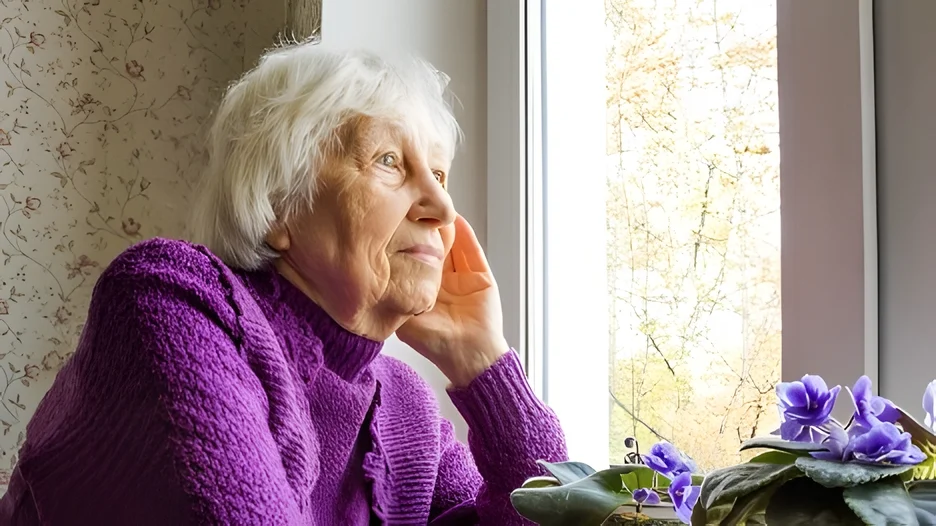
The Role of MCHW in Combating Loneliness
At the Minnesota Clinic for Health and Wellness (MCHW), we recognize the multifaceted nature of loneliness and its profound effects on health and take a whole-person comprehensive approach when addressing loneliness. Understanding that loneliness can stem from various factors, we offer personal therapy, support groups and group workshops and community events that address physical, emotional, and social well-being, ensuring a holistic approach to health.
Personalized Therapy
Our licensed professionals help individuals explore the root causes of their loneliness, develop coping strategies, and build confidence in forming meaningful connections.
Group Workshops and Community Events
We also encourage social interaction through group workshops and community events, allowing individuals to engage with others in a structured and supportive environment.
By combining professional care with opportunities for connection, the Minnesota Clinic for Health and Wellness helps individuals not only overcome loneliness but also build a fulfilling and connected life.

What Holds Us Back From Reaching Out for Support
Understanding and addressing the underlying fears that may be holding someone back from reaching out for support with loneliness can decrease anxiety around reaching out and building meaningful relationships.
Many individuals struggle with vulnerability due to past experiences of rejection, trauma, or unhealthy relationship patterns, which can lead to a fear of intimacy and avoidance of deeper connections.
Mindfulness and cognitive-behavioral strategies can also help manage anxiety, allowing individuals to approach relationships with curiosity rather than fear. By gradually stepping outside of their comfort zone and engaging in safe, supportive environments—such as support groups or guided workshops—individuals can build trust in themselves and others, fostering deeper, more fulfilling connections.
Loneliness and Medication
For some individuals, medication may be a part of their treatment plan to support engagement in social activities and address underlying anxiety or depression that may be related to their feelings of loneliness.

Online Communities and Loneliness
However, if you still find yourself feeling lonely and disconnected despite being engaged in digital spaces, it may be a sign to reach out for additional support. While online interactions can be helpful, overreliance on parasocial relationships, endless social media scrolling, or online "communities" that can lack authentic care and connection can actually deepen feelings of isolation. These digital spaces may provide a sense of engagement but often fail to offer the real emotional support and meaningful connection that true relationships bring.
Seeking help from a trusted professional or support network can provide deeper connection and guidance tailored to your needs.
Taking the First Step Towards Healing
The first step toward healing from loneliness is recognizing that you are not alone in your feelings and that meaningful connection is possible. It begins with small but intentional actions—whether reaching out to a trusted friend, joining a support group, or seeking professional guidance.
At MCHW, we're here to support you on your journey toward meaningful connection and improved well-being. Reach out to our helpful and trained front desk staff by calling 612-706-9630 or schedule an appointment online today to learn more about our programs and resources designed to help you combat loneliness and build a fulfilling social network.