

What is Neurodiversity?:
Understanding the
Human Brain
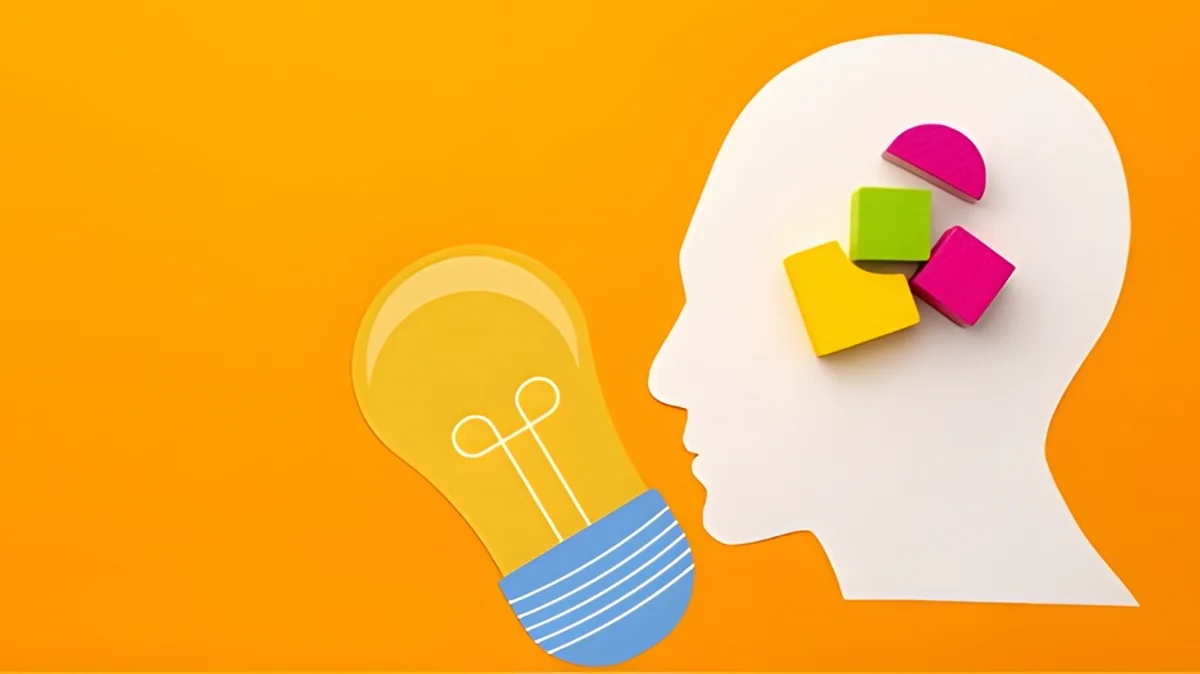
At the Minnesota Clinic of Health and Wellness, we prioritize the well-being of all our clients by focusing on holistic and inclusive healthcare practices. Our integrative approach allows us to work with various presenting concerns and symptoms, including how brains and minds work. One way this has been described is with the term Neurodiversity. While not a formal medical or mental health diagnosis, many individuals use this term to describe the variety of ways that the human brain functions. Neurodiversity is important to understanding mental health, and cognitive differences, and fostering an inclusive community for everyone.
Defining Neurodiversity
You may have become familiar with the term Neurodiversity and you might even use this term to describe yourself. While this term often means different things to different people, it is often referred to as relating to the experience of people on the autism spectrum, and those who experience diagnoses of Attention-Deficit/Hyperactivity-Disorder (ADHD), Specific Learning Disorders such as dyslexia, and other neurodevelopmental conditions. Additionally, Neurodiversity refers to the concept that neurological differences—like Autism Spectrum Disorder (ASD), ADHD, dyslexia, and others—are natural variations of the human brain rather than disorders that need to be "fixed" or "cured." Neurodiversity recognizes that these variations are part of the broad spectrum of human diversity, much like differences in race, gender, and ethnicity.
The neurodiversity movement challenges traditional views that pathologize neurological differences. Instead, it emphasizes that folks who are neurodivergent (those whose brains function in ways that differ from the typical or "neurotypical" brain) have unique strengths, talents, and perspectives.
Common Types of Neurodiversity
Autism Spectrum Disorder (ASD): Autism is a Neurodevelopmental Disorder that affects individuals differently, often in areas like social communication, sensory processing, and behavior. Individuals with ASD often have strengths in many areas including but not limited to creative problem-solving, memory, logical thinking, and attention to detail.
Attention-Deficit/Hyperactivity Disorder (ADHD): Individuals with ADHD may experience challenges with focus, impulsivity, and hyperactivity. However, they often excel in creativity, problem-solving, and thinking outside the box.
Specific Learning Disorders: Specific Learning Disorders have a biological origin that is exhibited through differences in keystone academic skills, such as math or reading. Despite these challenges, many individuals with learning differences excel in creative thinking, spatial reasoning, and visual arts.

Developmental Coordination Disorder: This condition impacts motor coordination, making physical activities more challenging. People with dyspraxia often show high levels of creativity and strategic thinking.
Tic Disorders: Tic Disorders are characterized by involuntary movements or vocalizations called tics. Individuals with Tic Disorders often have strengths in procedural memory, interpersonal awareness, and cognitive control.
Why Neurodiversity Matters
Understanding and accepting differences in brain functioning is vital for creating inclusive environments where everyone can thrive. At the Minnesota Clinic of Health and Wellness, we recognize that all individuals have unique needs, and they also have exceptional strengths. By embracing this diversity, we foster an inclusive culture that values and respects every individual, creating space for them to contribute meaningfully to their community.
The Struggles and Challenges Associated with Neurodiversity
It is important to acknowledge that while the conversation around neurodiversity has rightfully evolved toward destigmatization, and highlighting the strengths that come with conditions such as Autism Spectrum Disorders (ASD) and Attention Deficit Hyperactivity Disorder (ADHD), there is another side to the story.
Neurodivergent people frequently encounter difficulties that stem from their brain’s unique ways of processing the world, and these difficulties can deeply affect their daily lives, emotional well-being, and relationships. For many, these challenges are the primary reason they seek support.

People with neurodivergence may experience overwhelming sensory overload, difficulties with executive function, or problems with communication and social interaction. For someone on the autism spectrum, navigating a world that isn’t built for them can feel isolating and exhausting, as they might struggle with understanding social cues, managing overwhelming environments, or adhering to societal expectations. Likewise, those with ADHD often face challenges with focus, task management, and impulsivity, which can impact their academic, professional, and personal lives in ways that lead to frustration, anxiety, and a sense of inadequacy. These difficulties aren’t just inconveniences—they are often sources of significant distress, leading individuals to feel misunderstood or overlooked by a world that prizes neurotypical norms.
It is crucial that we recognize this suffering. Many individuals come to our clinic and seek services not because they don’t see the strengths in their neurodivergent traits, but because they are struggling with how these traits disrupt their lives. The emotional toll of consistently feeling "different" or "out of sync" with the world, or facing constant internal battles to keep up with daily responsibilities, is profound. By acknowledging these hardships, we can create a space where neurodivergent people feel truly seen and valued—not only for their strengths but for the very real pain they experience. Honoring their full experience means recognizing both the beauty and the difficulty of living with a neurodivergent brain, which can foster a more compassionate, inclusive, and supportive environment for healing.
Supporting Neurodivergent Individuals
At our clinic, we offer a range of services designed to support both neurotypical and neurodiverse individuals. We focus on understanding the specific needs of our clients and providing tailored support that fosters growth and well-being. Some of the ways we assist neurodiverse individuals include:
Therapy and Counseling: Our therapists are trained to work with a wide range of concerns, including neurodiverse clients, offering a variety of approaches that cater to different learning and communication styles and processing abilities.

Occupational Therapy: Occupational Therapy is a great resource for individuals looking to improve social, organizational, and executive functioning skills. Additionally, for those with sensory sensitivities or motor coordination challenges, occupational therapy can help develop strategies for everyday tasks.
Holistic Health Services: Neurodivergent individuals can also benefit from services like mindfulness practices, nutritional counseling, Traditional Chinese Medicine, medication management, yoga therapy, and stress management techniques tailored to their specific needs.
Join Us in Embracing Neurodiversity
Whether you are neurotypical or neurodivergent, we invite you to explore the services we offer at the Minnesota Clinic of Health and Wellness. By understanding and celebrating the diversity of the human brain, we can all contribute to a more inclusive, compassionate, and healthier world.
Reach out today to learn how our personalized health services can support you or your loved ones in living their fullest, healthiest life!
By educating our community about neurodiversity, we hope to promote a broader understanding and appreciation of cognitive differences. Neurodiversity isn't just about recognizing challenges; it's about celebrating the unique strengths and perspectives that neurodivergent individuals bring to the world.