

Discover Top Child Therapists
in Minnesota: Expert Support
for Your Child's Well-Being
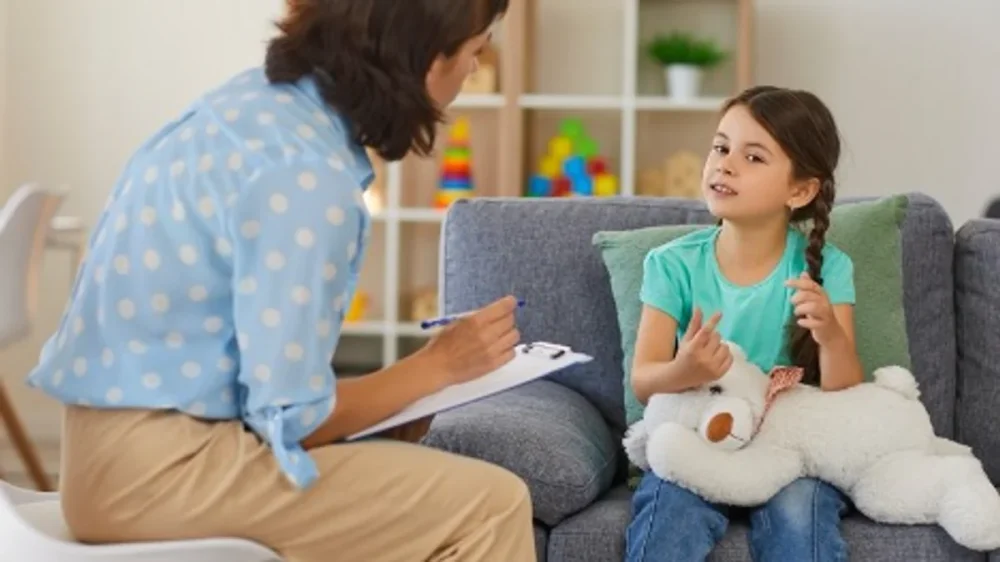
If your child is struggling with emotional, behavioral, or mental health concerns, you’ll find expert support for their wellbeing at the Minnesota Clinic for Health and Wellness. In the challenging landscape of childhood, understanding how a therapist could help your child in addition to finding the right therapist can make a significant difference. From navigating learning difficulties to addressing emotional challenges, our network of professionals is committed to providing expert guidance tailored to your child's unique needs. Explore the path to your child's emotional and mental well-being with our trusted and top-rated child therapists in Minnesota.
What Can a Child Therapist Help With?
A therapist can help support children and their parents as they navigate any difficult experience a child may encounter growing up, including: learning problems or anxiety related to school, relationship challenges with friends or parents, bullying, intense emotions or phobias, divorce and family dynamics, or the death of a pet or loved one. A therapist can help children process their experiences and develop coping skills in an age-appropriate way. This leads to less distress, improved relationships, better experiences at school, and improved ability to engage in all the things kids love to do!
When Does a Child Need to See a Therapist?
Children naturally experience emotional ups and downs. Sometimes, though, they need support from a professional. A child may benefit from therapy if their emotions or behaviors change significantly within a short period of time. For example, if a child usually spends time with friends after school but begins isolating in their room, further inquiry is warranted. Other areas for concern include altered sleep patterns, lack of appetite, intense anger, self-harm, irritability, hopelessness, or developmental regression in young children (bedwetting, thumb-sucking).
What Therapy Types are Most Suitable for Children?
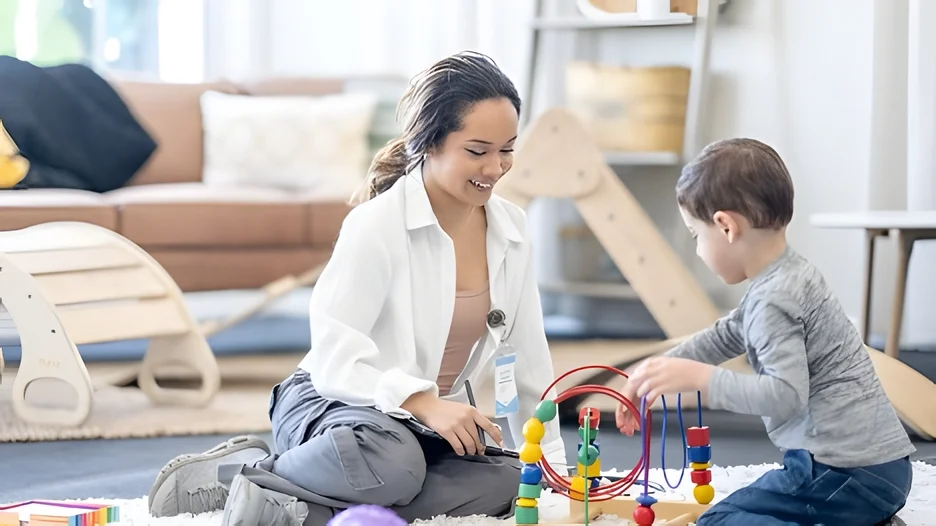
Children can benefit from different forms of therapy, including family therapy, parent-child interaction therapy, play therapy, cognitive behavioral therapy, and exposure therapy, depending on their condition. Play therapy is a great option for younger children who may not be able to fully articulate their feelings. In this approach, kids play with toys and games while a therapist observes and helps the child express their emotions and develop coping skills.
Are Parents Included in a Child’s Therapy?
Providers frequently incorporate parents into therapy sessions, recognizing the significance of addressing and understanding the client's needs within the context of the family system. This collaborative approach aims to enhance communication, strengthen relationships, and promote holistic well-being for the entire family. Sometimes for older adolescents, parents may not be involved as centrally in each session, but this balance is always collaboratively explored with the parents to determine what level and type of parental involvement is best for their teen.
How Can I Find A Therapist Specializing in Child Therapy?
The Minnesota Clinic for Health and Wellness offers providers specifically trained to work with children, and individuals can conveniently filter by "age specialty" to easily locate child-focused therapists on their platform.
We encourage you to give us a call with any questions you may have or to schedule an appointment to support your child’s well-being today.