

The Mind-Body Connection
in Nature
Yet, recent technological development has made it more convenient to stay sheltered and indoors – disconnected from the natural world. This isn’t necessarily a bad thing; in fact it can offer many benefits to people who have responsibilities at home, remote work, or who have health or mobility issues. However, it has fostered a deeper disconnect between us humans and the earth.
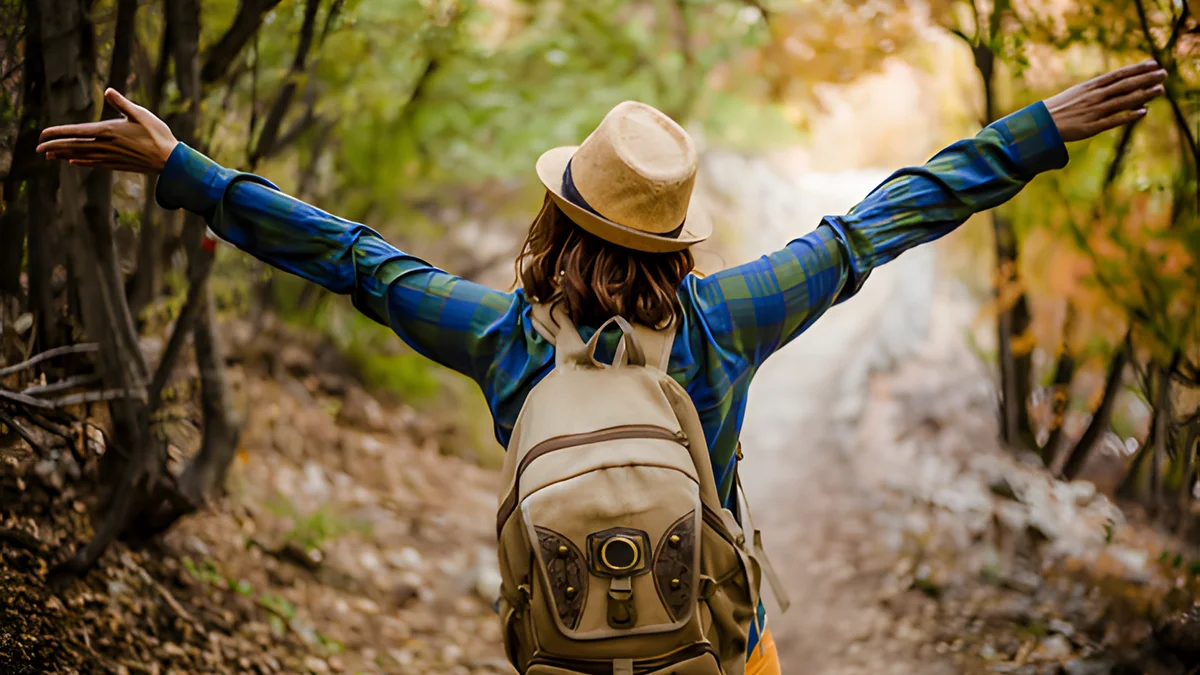
While aspects of nature can certainly be hostile to our wellbeing and even our safety, nature also has the ability to be a “natural” healer. Increasingly, research strongly suggests that nature has profound healing qualities freely accessible to humans; we just have to step outside to benefit from them. The biophilia hypothesis reflects the reality that our species evolved in the context of the natural world. So, not only do we have an innate, hardwired tendency to seek connection and interaction with nature, we are inclined to feel better when we honor this tendency to seek engagement with nature.
Spending just a couple of hours a week outdoors can positively boost our mental state, helping us focus on tasks and decreasing perceived levels of stress. Consistently spending time outside has also resulted in decreased levels of depression and anxiety, allowing many people to function in much healthier ways in their personal life.
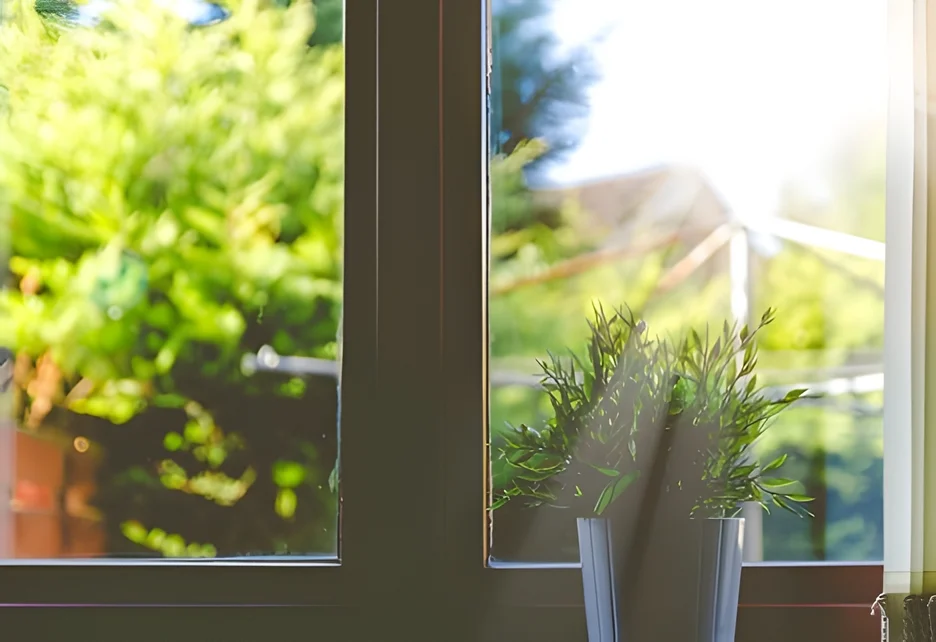
Sometimes it can be difficult to find time to spend outside. Life gets busy and it can feel like you are always hurrying from one place to the next. Fortunately, there are some ways we can still receive benefits while indoors. Windows that allow a lot of sun to enter a room and provide a view of green spaces can be helpful for improving our moods even while working inside. Or cultivating an indoor space with live plants can bring nature inside!
How do I cultivate benefits from being out in nature? Simply spending time outside and in proximity to green spaces can promote well-being. But for people who are seeking to deepen this effect, we can practice savoring nature by practicing mindfulness while outdoors and in nature-filled spaces. Many of our clinicians here at Minnesota Clinic for Health and Wellness incorporate mindfulness into their work with clients, and if you would like to explore a fresh take on therapy, our providers provide a therapeutic space to deepen this skill and foster whole-person mental health.
Mindfulness is the intentional practice in which we notice our thoughts, emotions, and sensory experiences as they arise in the present moment – without judging - just observing what we are experiencing with curiosity and openness. One common example of mindfulness is drawing one’s attention to our breath – bringing awareness back to breath when we notice wandering thoughts and attention.
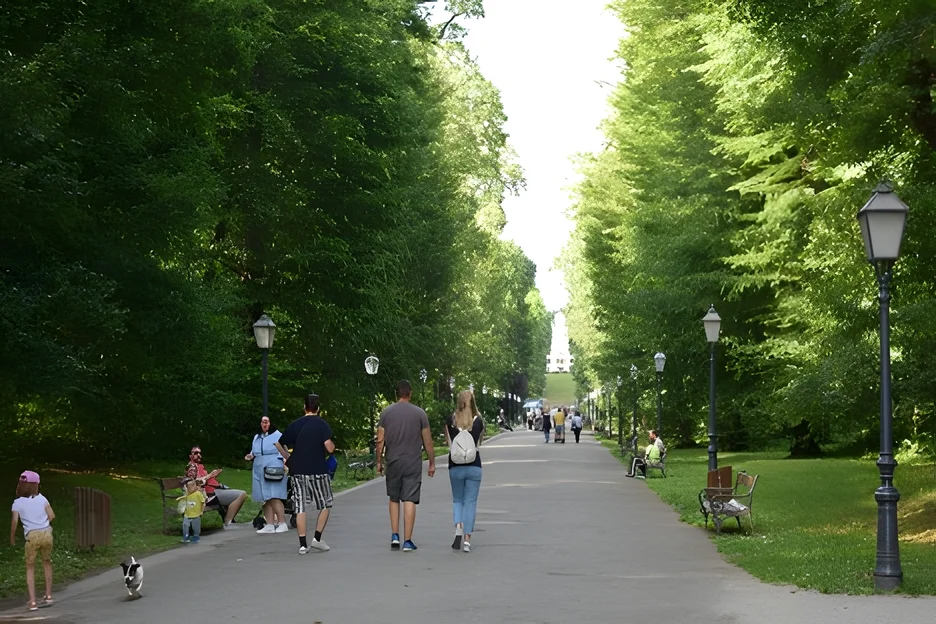
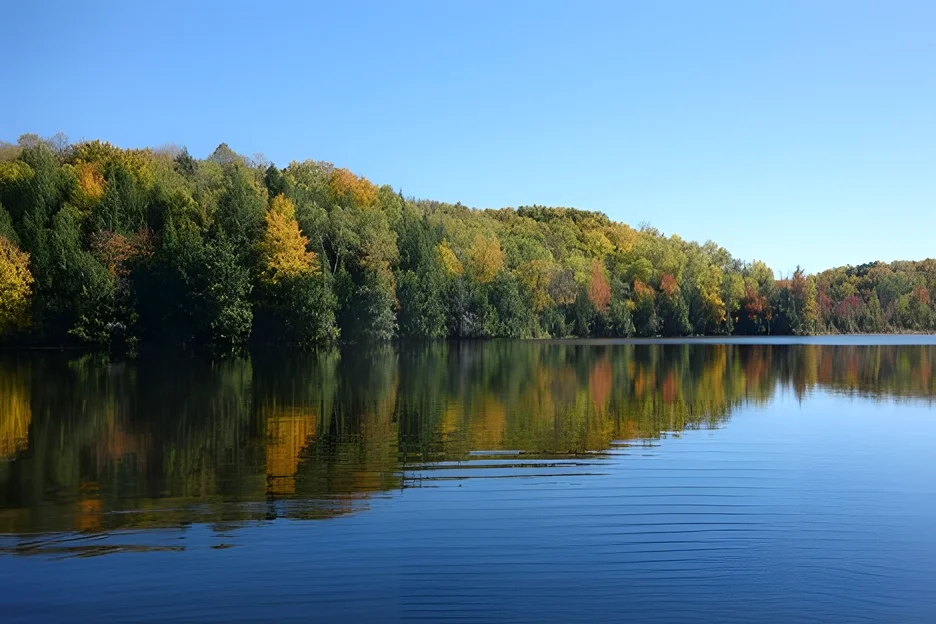
While out in nature, mindfulness can take on many different “flavors,” depending on the environment. In a quiet, private space, you could practice mindfulness by sitting in silence, undistracted by to-do lists and phone notifications begging for your attention, even just for five minutes as you give your mind time to focus on the sounds of birds, wind rustling the trees, or the waves pushing into the lake shore.
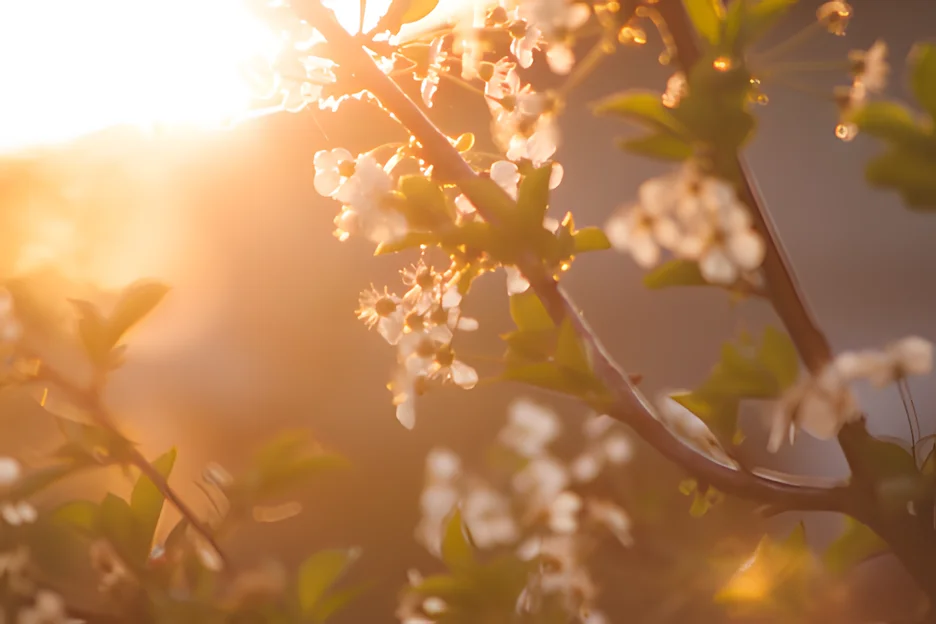
Of course, no one can maintain this open, attentive mindful presence all the time – whether in nature or elsewhere. Distractions happen and it is normal for the mind to wander. Sometimes it can prove challenging to find a quiet space to cultivate full presence, but mindfulness does not require silence to practice. By practicing mindfulness even in noisy or busy environments, you can strengthen the “muscles” of your mind – to remain present and engaged with the many experiences that arise in the mutual and reciprocal experience we humans have with nature.
Ultimately, it’s worth remembering that we are PART of nature; we thrive when we connect (mindfully or not) with nature, and in doing so, it helps us discover new ways to care for the natural world around us. So go spend some time outside this week and surround yourself with trees, birdsong, and sunshine. Summertime only comes around once a year and these wellness-boosting benefits are free for everyone.
If this approach resonates with you and you’d like to learn more about how to integrate nature and mindfulness into your healing journey, reach out to our helpful staff to get connected with a team of professionals who are here to walk with you on that path.